
How to Remove Yellow Sweat Stains from White Clothes: The Ultimate 2026 Guide to Deep Cleaning and Prevention
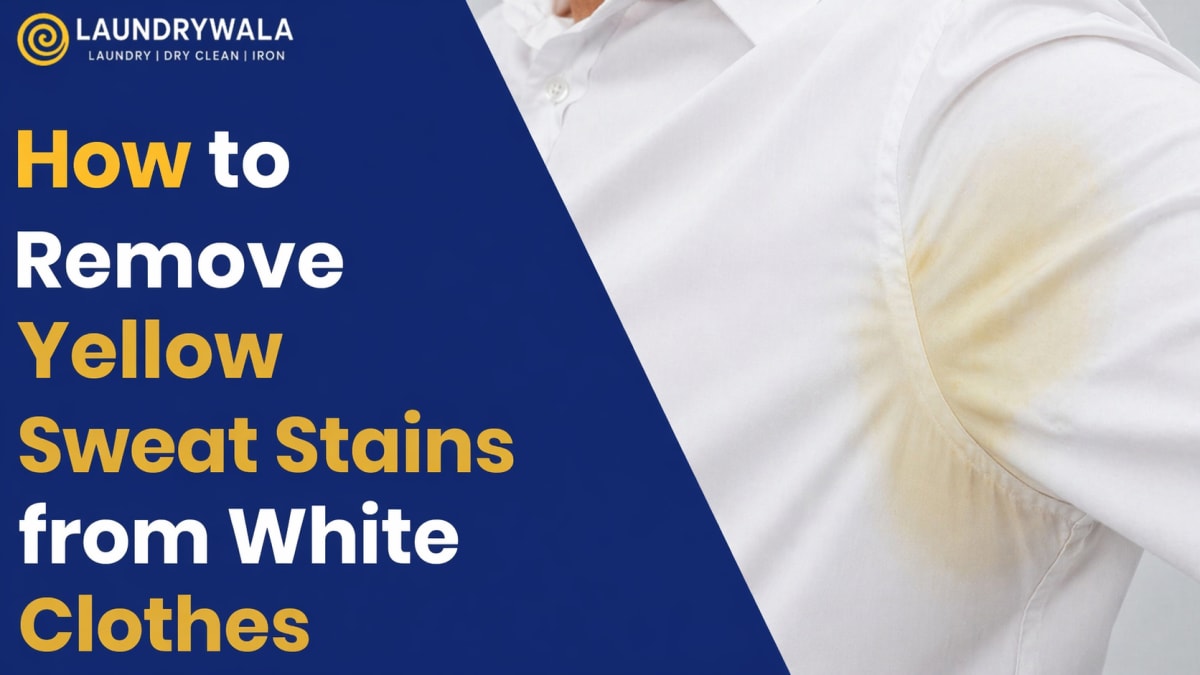
How to Remove Yellow Sweat Stains from White Clothes: The Ultimate 2026 Guide to Deep Cleaning and Prevention
White clothes have a way of showing problems faster than almost anything else in a wardrobe. A shirt can smell fresh, feel clean, and still develop those dull yellow underarm marks that make it look older, dirtier, and more worn out than it actually is. That is what makes this problem so frustrating. People wash the garment again, scrub harder the next time, and eventually start wondering whether the shirt is permanently damaged. In many cases, it is not damaged at all. It is simply holding onto a type of stain that regular washing does not remove properly.
Yellow sweat stains on white clothes are rarely caused by sweat alone. In real garment care, the yellowing usually forms because sweat mixes with body oils, antiperspirant residue, skin proteins, detergent buildup, and oxygen over time. That combination creates a deposit inside the fibers, especially in the underarm area where heat, friction, and repeated product use are highest. Once that deposit oxidizes, the white fabric starts looking yellow, dull cream, or slightly brownish. That is why the problem often becomes visible slowly instead of all at once.
This guide is written for people who want a real answer, not a short list of random remedies. It explains why yellow sweat stains happen, how to remove them safely, what works for fresh stains, what works for old set-in yellowing, what to avoid, how to prevent the problem from coming back, and when it makes more sense to stop experimenting and get professional garment care. The aim is not just to make the stain lighter for one wash. The aim is to help you clean the garment properly while preserving the life of the fabric.
What Causes Yellow Sweat Stains on White Clothes
Most people assume the yellow mark is caused directly by sweat. That sounds simple, but the actual reason is more layered than that. Fresh sweat by itself is more likely to leave moisture, salt, or odor than a deep yellow stain. The yellowing usually develops when sweat combines with underarm products, especially aluminum-based antiperspirants, and then mixes further with body oils and skin residue. Once that combination stays in the fabric long enough, it begins to oxidize and turn visibly yellow.
This matters because underarm stains are not just “dirt” sitting on the surface. They are chemical buildup inside the fabric. White cotton and cotton-rich fabrics make the problem look even worse because they absorb moisture and residue more easily, and because white shows every change in tone very clearly. The underarm zone also goes through constant movement and heat, so the residue gets pushed into the fibers more than people realize.
Another important reason these stains become stubborn is incomplete washing over time. A normal wash may remove smell and loose residue, but it may not fully break down the protein-lipid bond created by sweat and body oil. Add repeated drying, ironing, or delayed washing after wear, and the underarm patch slowly moves from invisible buildup to visible yellowing. That is why many people feel the stain “suddenly appeared,” even though it was actually building over many wears.
The most common causes of yellow sweat stains on white clothes are:
- Sweat mixed with body oils
- •Aluminum-based antiperspirant buildup
- •Oxidized proteins and skin residue
- •Repeated light washing without proper pre-treatment
- •Dryer heat that helps set leftover residue
- Detergent buildup from incomplete rinsing
- Hard water minerals that make whites look duller
- Leaving sweaty clothes unwashed for too long
How to Remove Yellow Sweat Stains from White Clothes
The best way to remove yellow sweat stains is to stop thinking of them as a simple whitening issue. In most cases, this is a residue-removal problem first and a whitening problem second. If the body oil, protein residue, and deodorant buildup are still inside the fibers, then whitening alone will not solve the issue. The stain may look lighter for a while, but it often comes back or remains visible once the shirt dries.
That is why the most effective stain-removal methods work in stages. First, they loosen or digest the organic residue. Then they address the oxidized yellowing. Finally, they wash the loosened material out of the fabric completely. This is much more effective than one aggressive treatment done blindly. It is also safer for the fabric, especially in the underarm zone where the cloth is already stressed by repeated friction, body heat, and stretching.
Before trying any stain treatment, it is important to remember that fabric matters. A white cotton shirt can usually handle more treatment than a white silk blouse, rayon kurta, linen blend, or delicate office top. You also need to avoid heat until the stain is fully gone. Many people accidentally make the stain harder to remove by tumble drying the garment too soon or ironing over the affected area before the residue has actually been removed.
Before starting any method, always do this:
- Read the care label.
- Identify whether the garment is cotton, linen, polyester blend, silk, rayon, or delicate fabric.
- Patch test on an inside seam or hidden area.
- Do not use dryer heat until the stain is fully gone.
- Do not scrub aggressively on thin or worn fabric.
Hydrogen Peroxide and Detergent Method
For washable white cotton, this is one of the most effective first treatments. The reason it works so well is that it targets more than one part of the stain at the same time. Liquid detergent helps loosen oily and protein-based residue, while hydrogen peroxide helps address oxidized yellowing. Since underarm stains are usually a mix of both, this combination is more logical than using plain soap or plain peroxide alone.
The common problem with yellow underarm stains is that they develop as a protein-lipid-mineral deposit. Sweat leaves residue, body oils thicken it, antiperspirant builds on top of it, and oxygen changes the whole thing into a visible yellow patch. A normal wash may remove loose surface material, but it usually does not break the deeper stain structure properly. This is why a peroxide-and-detergent treatment often gives much more visible improvement than another ordinary wash cycle.
This method is best for white cotton shirts, school uniforms, undershirts, daily-wear kurtas, and strong washable white garments. It should not be used casually on silk, wool, or delicate dry-clean-only items.
Recommended ratio and application
Key fact: The most practical peroxide pre-treatment ratio for washable white cotton is 2 parts 3% hydrogen peroxide to 1 part liquid laundry detergent.
Use it like this:
1. Mix 2 parts 3% hydrogen peroxide with 1 part liquid detergent.
2. Apply the mixture directly to the yellow underarm area.
3. Work it in gently using fingers or a soft toothbrush.
4. Leave it for 20 to 30 minutes.
5. Rinse lightly or place directly into the wash.
6. Wash according to the care label, preferably in warm water if safe.
7. Air dry and inspect before using heat.
Important warnings:
• Do not use this casually on silk, wool, or delicate fabrics.
• Do not store the mixture for later use.
• Always patch test first.
• Do not tumble dry the garment until the stain is clearly gone.
Baking Soda Paste Method
Baking soda is often recommended for yellow sweat stains, but the real reason it helps is rarely explained properly. It is not useful because it is magical. It is useful because it creates a paste that stays on the stain, offers mild alkalinity, and helps loosen deodorant and antiperspirant buildup. When brushed gently, it also gives a little mechanical support by lifting the residue that is clinging to the underarm fibers.
This makes baking soda especially helpful when the underarm area feels chalky, sticky, or slightly coated from repeated product use. On white cotton shirts and everyday garments, baking soda can help loosen the built-up layer enough to make the next wash much more effective. It is generally gentler than many people expect, which is why it works well as a first attempt for mild to moderate stains.
However, baking soda works best when used as a real paste with enough contact time. A watery mixture that runs off the fabric usually does very little. It is also not the strongest option for old oxidized stains, so if the yellowing is deep and old, this method may need to be followed by something stronger such as peroxide treatment or oxygen bleach soaking.
Best ratio and method
Key fact: A reliable baking soda paste uses 3 parts baking soda to 1 part water.
Use it like this:
1. Mix 3 tablespoons baking soda with 1 tablespoon water.
2. Create a thick paste.
3. Apply it directly to the yellow area.
4. Leave it for 30 to 60 minutes.
5. Gently brush the stain with a soft toothbrush.
6. Rinse and wash normally.
7. Air dry and inspect in good light.
This method works best for:
• Mild to moderate yellowing
• Deodorant-heavy buildup
• White cotton and sturdy cotton blends
• Preventive maintenance on frequently worn white shirts
Enzyme Detergent Method
One of the biggest reasons yellow sweat stains remain visible after washing is that the organic part of the stain was never properly broken down. Underarm stains contain body oils, protein residue, skin-related matter, and product transfer from deodorant or antiperspirant. Regular detergent can clean some of this, but enzyme detergents do a much better job on the organic side of the stain because they are designed to digest it more specifically.
Protease enzymes help break down protein-based residue. Lipase helps break down oily buildup. This is extremely useful in underarm stain care because sweat stains are not dry powdery marks. They are oily-protein stains that have oxidized over time. If the organic buildup is not loosened first, then brightening methods often underperform. That is why enzyme treatment makes so much sense as either a main method for early-stage stains or the first stage of a deeper stain-removal routine.
This method is also excellent for prevention. If you wear white shirts regularly for office use, uniforms, travel, or outdoor conditions, a quick enzyme pre-treatment on the underarm zone every few wears can prevent the residue from building into visible yellowing later.
How to use enzyme detergent
Use it like this:
1. Dampen the stained area slightly.
2. Apply enzyme detergent or stain remover directly to the underarm zone.
3. Leave it for 15 to 30 minutes.
4. Do not let it dry into a hard crust.
5. Wash according to the garment label.
6. Repeat before drying if needed.
Key fact: Enzyme pre-treatment is especially effective when the stain contains oxidized proteins and body oils, which is common in yellow underarm buildup.
Oxygen Bleach Soak Method
When the stain has been there for a long time or has already survived repeated washes, spot treatment alone may not be enough. At that point, a soak often works better because the whole stained zone needs sustained contact with the cleaning solution. Oxygen bleach is especially useful here because it treats organic discoloration in a slower and safer way than chlorine bleach on many washable whites.
This method is ideal for old white shirts, school uniforms, cotton kurtas, white workwear, and other washable garments that have developed a deeper yellow underarm cast over time. A soak helps the chemistry move through the fiber structure more evenly, which is important because older stains are rarely limited to the darkest visible part of the underarm patch. There is often a wider halo of residue that also needs treatment.
Oxygen bleach is often preferred over chlorine bleach in repeat white-fabric care because it improves stain removal while reducing the risk of harsh fiber damage. The goal is not just to make the shirt look whiter once. The goal is to restore it while keeping the fabric healthy.
How to use oxygen bleach
Use it like this:
1. Dissolve oxygen bleach fully in warm water.
2. Soak the garment for 1 to 6 hours depending on stain severity.
3. Move the garment gently once or twice during the soak.
4. Wash with detergent afterward.
5. Air dry before deciding whether to repeat the treatment.
This method is best for:
• Set-in yellow sweat stains
• Older underarm discoloration
• White cotton, linen, and many washable blends
• Garments with wider dull yellow zones
Best Home Remedies for Yellow Sweat Stains
Home remedies can work well, but only when used with realistic expectations and proper fabric awareness. One of the biggest problems with online advice is that it treats every household ingredient as if it can solve every stain. Real garment care is not that simple. A fresh deodorant-heavy residue reacts differently from an old oxidized stain. A white cotton T-shirt reacts differently from a delicate blouse. So a good home remedy is not the one that sounds strongest. It is the one that matches the actual stain and fabric in front of you.
Some home methods stay popular because they are genuinely useful. Baking soda helps with underarm buildup. Hydrogen peroxide helps with oxidized discoloration. Dish soap can help on greasy residue. Vinegar can help with odor and some residue support, though it is often exaggerated as a main stain remover. Lemon juice is sometimes suggested for brightening, but it is not one of the most reliable treatments for real underarm yellowing.
The smartest way to use home remedies is to ask one question first: what am I trying to remove? If the stain is mainly oily and recent, one type of treatment works best. If it is old and oxidized, another is better. That is the difference between practical stain care and random remedy testing.
Baking Soda for Yellow Sweat Stains
Baking soda works best when the stain includes visible deodorant or antiperspirant buildup. It helps soften and loosen that deposit and gives the fabric a better chance of releasing the residue during washing. It is especially good for mild to moderate underarm yellowing and routine maintenance on white cotton garments.
Baking soda is also useful because it is accessible and relatively safe on strong white fabrics when used properly. But it is not a miracle cure for every old stain. If the yellowing is deep, old, and heavily oxidized, baking soda alone may not be enough.
Best used for:
• Mild yellowing
• Deodorant-heavy buildup
• White cotton maintenance
• Early-stage stain treatment
Vinegar for Yellow Sweat Stains
Vinegar is often oversold in stain advice. It does have uses in laundry, but deep yellow underarm stains are usually not where it performs best. Vinegar can help reduce odor, cut through some light residue, and support rinsing if hard water or detergent buildup is part of the issue. But it usually does not have enough strength on its own to reverse old yellow oxidation in the fabric.
That is why vinegar sometimes disappoints people. It is not useless, but it is often being asked to do more than it can do. Think of it as a support ingredient, not the main solution for stubborn yellow sweat stains.
Vinegar may help with:
• Odor reduction
• Mild deodorant residue
• Hard water support
• Rinse improvement after treatment
Lemon Juice for White Clothes
Lemon juice is often recommended because it has a mild acidic quality and is associated with brightening. In practice, it may help freshen very lightly dulled whites, but it is not one of the strongest or most reliable methods for yellow underarm stains. It is less predictable than peroxide-based treatment and should not be treated as a serious solution for old or set-in sweat staining.
Used carelessly, lemon juice can also lead people into sunlight-based fabric hacks that are not always good for long-term garment life. For real sweat stain removal, enzyme treatment, peroxide, and oxygen bleach are generally much more practical.
Use lemon juice cautiously because:
• It is not strong enough for most set-in sweat stains.
• It is less reliable than peroxide-based methods.
• It should not be relied on for delicate garments.
Dish Soap for Underarm Stains
Dish soap can be useful when the stain has a strong oily component. Since body oil is part of many underarm stains, a small amount of grease-cutting dish soap can help loosen that part of the residue. This works best on sturdy white cotton garments and is usually more effective as a first stage before a full wash rather than a complete treatment by itself.
Dish soap is not the full answer to yellow sweat stains, but it can help where greasy transfer is part of the stain. If the underarm area feels slick or coated, this can be a good supporting step before enzyme treatment or washing.
Dish soap is most useful for:
• Oily underarm residue
• Early pre-treatment on white cotton
• Combination use before a full wash
How to Remove Old Yellow Sweat Stains from White Shirts
Old yellow sweat stains need patience because they are no longer loose residue. By the time the stain has become clearly visible and survived more than one wash, it is usually oxidized, layered, and partly set into the fibers. That is why old stains often resist simple home methods. The answer is not usually more force. The answer is a staged routine that handles the stain in the right order.
Most old underarm stains contain several layers. There may be deodorant buildup on the surface, body oil deeper in the fibers, protein residue from sweat, and then a yellow oxidized cast spread through the whole area. If the shirt has also gone through a hot dryer several times, the residue may be even more stubborn. This is why another basic wash usually does nothing meaningful at that stage.
The good news is that old stains can still improve a lot on strong white cotton if you use the right sequence. The caution is that repeated harsh treatment on a weakening shirt can damage the underarm area. So you need to balance stain removal with fabric preservation.
A good old-stain routine usually includes:
1. Enzyme pre-treatment first.
2. Targeted peroxide or baking soda treatment.
3. Oxygen bleach soaking.
4. Full washing.
5. Air-dry inspection before repeating.
How to Treat Set-In Yellow Stains
Set-in stains respond better to time than to panic. You need to let the treatment stay on the stain long enough to work. Start with enzyme detergent if possible because that breaks down the organic structure of the residue. Then use peroxide-and-detergent treatment or a baking soda paste depending on the condition of the stain. After that, follow with an oxygen bleach soak if the fabric allows.
A layered routine works better because each stage solves a different part of the problem. If you attack the oxidized color without loosening the residue first, the result is often limited. If you loosen the residue but do not address the oxidation, the yellow cast may remain. The sequence matters.
A practical sequence is:
1. Apply enzyme detergent for 20 to 30 minutes.
2. Use peroxide plus detergent or baking soda paste for 20 to 30 minutes.
3 .Soak in oxygen bleach for 1 to 4 hours.
4. Wash with a strong detergent.
5. Air dry and inspect before deciding whether to repeat.
How to Soak White Shirts Properly
Soaking works because it treats the full underarm zone evenly, not just the darkest visible center of the stain. But it still has to be done properly. The product needs to be fully dissolved, the water temperature needs to be appropriate for the fabric, and the shirt should still be washed afterward. A soak is not the final step. It is part of the overall treatment.
Many people make the mistake of soaking and then assuming the job is done. But soaking loosens and treats the residue. The next wash is what helps carry that loosened material out of the garment.
Soak the shirt properly like this:
1. Dissolve the oxygen bleach fully before adding the garment.
2. Do not crowd multiple garments into one small bucket.
3. Let the shirt soak for the recommended time.
4. Move the garment gently once or twice.
5. Follow with a complete wash.
6. Air dry before checking results.
How Many Times You Should Repeat Treatment
If the stain improves clearly after one attempt, it can be reasonable to repeat the process once or twice on a strong white cotton garment. But repeated harsh treatment on a fabric that is already thinning or roughening is risky. Improvement matters more than perfection. If the stain is moving in the right direction and the fabric is staying healthy, another round may help. If the stain is barely changing and the fabric is weakening, it is time to stop.
A good rule of thumb is:
• Repeat treatment only on sturdy cotton if the fabric still feels strong.
• Stop if the underarm area begins to feel rough, thin, or weak.
• Avoid endless cycles of harsh treatment followed by hot drying.
How to Get Yellow Underarm Stains Out of White Shirts
The underarm area should always be treated as a special stain zone. It is different from the rest of the garment because it holds more body heat, more product buildup, more moisture, and more friction than any other area on the shirt. That is why underarm stains often remain even when the rest of the shirt looks clean after washing.
This is especially true for white office shirts, uniform shirts, polo tees, undershirts, and fitted daily-wear garments. The underarm area needs direct pre-treatment and enough contact time for the chemistry to work. A light dab of detergent followed by a quick rinse is usually not enough. The stain sits inside the fibers and often needs a proper targeted routine.
If you wear white shirts often, underarm treatment should not start only after deep yellowing appears. The best long-term care habit is to treat the underarm area early and occasionally before visible staining becomes severe.
The best underarm strategy is:
1. Pre-treat the underarm area directly.
2. Use enzyme detergent or peroxide-detergent treatment.
3. Wash the garment soon after sweaty wear.
4. Avoid heavy buildup from underarm products.
5. Do not use heat until the stain is fully gone.
What Not to Use on Yellow Sweat Stains
Many garments get damaged not because the stain was impossible, but because the wrong method was used too early. Yellow sweat stains make people impatient. As soon as they see that a normal wash did not work, they often reach for the harshest chemical they can find. Unfortunately, that is how good white shirts become weakened, rough, or unevenly discolored.
The most common mistake is using chlorine bleach as the first treatment. While it may sometimes whiten white fabric, it is often too aggressive for repeated use on cotton and can weaken the underarm area over time. It can also react badly if deodorant residue is still inside the fabric. Another common mistake is using rough scrubbing tools. The underarm area is already a stress point, so hard brushing can fray or thin the cloth.
Heat is another major mistake. A shirt that still contains residual staining should not go into a hot dryer. Even if the stain looks lighter while damp, the yellowing often becomes visible again when dry, and heat can help set it further.
Avoid these common mistakes:
• Using chlorine bleach as the first response
• Scrubbing the stain with a stiff rough brush
• Using very hot water without checking the care label
• Putting the shirt in the dryer before the stain is gone
• Applying strong treatment to silk, rayon, wool, or delicate blends
• Repeating harsh treatment too many times on already weakened fabric
How to Remove Yellow Sweat Stains from Different Fabrics
One of the biggest differences between expert garment care and random internet advice is respect for fabric type. White is only the color. It tells you nothing about how the cloth will react to treatment. A white cotton shirt can usually tolerate peroxide, oxygen bleach, and baking soda reasonably well. A white silk blouse cannot. A polyester work top behaves differently from a linen kurta. That means stain treatment has to be matched to the fiber, not just to the color.
This is especially important in the underarm area because that zone is already under stress. A method that is safe on thick cotton may damage fine rayon or roughen linen. That is why fabric awareness is not a side note. It is one of the main parts of successful stain removal.
White Cotton Shirts
Cotton is the easiest and safest fabric for most home treatments. It usually responds well to peroxide-and-detergent treatment, enzyme pre-treatment, baking soda paste, and oxygen bleach soaking when used properly. That is why most successful home stain removal happens on white cotton garments.
Best options for white cotton:
• Hydrogen peroxide plus detergent
• Enzyme pre-treatment
• Baking soda paste
• Oxygen bleach soak
White Linen Clothes
Linen can often be treated successfully, but it should not be scrubbed aggressively. Its structure can become rough or distorted if handled too hard, especially when wet. Soaking is usually better than brushing for linen.
Important linen cautions:
• Avoid harsh brushing.
• Do not twist aggressively when wet.
• Air dry carefully to maintain shape.
White Polyester and Blends
Polyester traps oils very effectively, which means the underarm area can hold onto oily residue and odor even when it does not look dramatically stained at first. Enzyme treatment often makes a big difference here because the stain is frequently grease-heavy. Repeated high dryer heat should also be avoided because it can bake residue deeper into the fabric.
Best approach for polyester blends:
• Use enzyme treatment first.
• Follow with a strong detergent wash.
• Use oxygen bleach only if the label allows.
• Avoid repeated high-heat drying.
Silk, Rayon, and Delicate Fabrics
Delicate white garments are where home experiments can become expensive. Silk and wool are protein fibers and react differently to chemistry than cotton. Rayon can weaken when wet. Fine delicates with linings or trims may react unpredictably. In these cases, caution matters more than enthusiasm.
Do not casually use these on delicate whites:
• Strong peroxide mixtures
• Baking soda paste without patch testing
• Rough brushing •Random bleach treatment
• Hot soaking without label approval
For this category of garments, professional stain handling is often the safer choice.
How to Prevent Yellow Sweat Stains on White Clothes
Prevention matters because yellow sweat stains are cumulative. Most white garments do not go from perfect to badly stained in a single day. The yellowing grows through repeated small deposits that are never fully removed. That means the best stain to remove is the one that never fully forms. Good maintenance habits usually protect white garments more effectively than harsh rescue treatments later.
The first preventive habit is speed. Do not leave sweaty white clothes sitting too long before washing. Sweat, body oil, and product residue bond more deeply the longer they remain in the fabric. The second preventive habit is better product use. Let deodorant or antiperspirant dry before dressing. Applying too much product and putting on the shirt immediately increases transfer into the fibers. The third habit is using the right detergent. A detergent that makes clothes smell good is not always strong enough to remove body soil properly.
One more habit makes a big difference over time: occasional underarm pre-treatment. People who wear white shirts frequently for office work, school, travel, or daily use often keep them looking better simply by applying enzyme detergent to the underarm area every few wears before washing. That interrupts the buildup before it turns into visible yellowing.
Habits that genuinely help prevent yellow sweat stains are:
• Wash white garments soon after sweaty wear.
• Let deodorant or antiperspirant dry before dressing.
• Avoid over-applying underarm products.
• Use enzyme or strong detergent for frequently worn whites.
• Pre-treat underarms occasionally.
• Avoid repeated high dryer heat.
• Rinse thoroughly so detergent does not build up.
When to Use Professional Stain Removal
Home treatment works well for many mild or moderate stains on sturdy white cotton. But there is a point where more home experimenting stops being smart. If the stain is old, the fabric is delicate, the underarm area is already weakening, or the garment has already survived several careful attempts without meaningful improvement, then professional care becomes the better option. At that stage, the real question is not just how to remove the stain. It is how to save the garment.
This is where the difference between ordinary washing and true garment care becomes very important. Professional stain removal is not just a stronger wash. It involves understanding the fiber, the stain age, the buildup type, and what level of treatment the fabric can tolerate without damage. That is especially useful for delicate whites, occasion wear, premium office shirts, old linens, formal kurtas, or any garment that matters too much to risk.
This is also where Laundrywala fits naturally into the user journey. Mild yellowing on strong white cotton can often be handled at home if treated early and correctly. But once the stain becomes more oxidized, or the garment becomes too important to experiment on, a professional assessment makes much more sense. In cases like these, Laundrywala is relevant not because of promotional language, but because informed garment care is genuinely different from guesswork.
When garments with sweat oxidation or deep underarm buildup reach a professional setting like Laundrywala, the treatment decision is usually based on fabric condition first, not on a one-method-fits-all approach. That is often what protects the garment from unnecessary damage while still giving it the best chance of recovery.
Signs it is time for professional stain removal:
The stain survived multiple careful home treatments.
• The underarm area feels rough, stiff, or weakened.
• The garment is delicate, expensive, or sentimental.
• The care label limits home treatment options.
• The shirt has already been repeatedly heat-dried.
• You are unsure whether the problem is stain, buildup, or fabric damage.
Final Thoughts Professional Garment Care with Laundrywala
Yellow sweat stains on white clothes feel so stubborn because they are not simple surface marks. They build slowly, settle into the fibers, oxidize over time, and often survive ordinary washing because the wrong part of the problem is being treated. Once you understand that the stain is really a mix of sweat residue, body oils, antiperspirant transfer, and oxidation, the solution becomes much clearer. You stop chasing one miracle ingredient and start using the right method in the right order.
The best approach is usually the least dramatic one. Treat early. Match the treatment to the fabric. Give the chemistry enough time to work. Wash properly. Air dry before checking. Repeat only if the fabric can handle it. Those habits do more for garment life than harsh panic treatments ever do.
A well-kept white shirt is usually not the result of luck. It is the result of small correct decisions made before the stain becomes severe. And when the garment has already moved beyond safe home care, the wiser decision is not to experiment harder. It is to protect the fabric by getting it handled properly.
Some garments respond beautifully to home care. Others need a more controlled process. That difference becomes especially clear with old yellow underarm stains, delicate fabrics, premium whites, occasion wear, and shirts that have already been through several rounds of home treatment. In those situations, what the garment needs is not just another wash. It needs proper stain evaluation and fabric-aware treatment.
This is where Laundrywala becomes relevant in a natural and practical way. A person may manage light underarm yellowing at home, which is perfectly reasonable. But once the stain becomes deeper, more oxidized, or attached to a garment that matters, professional care is no longer just about convenience. It is about fabric preservation.
Laundrywala’s value in these situations is not simply cleaning. It is controlled garment handling. Delicate whites, older garments, and repeated underarm stains benefit from treatment decisions based on fabric behavior rather than random trial and error. That is especially important when the difference between restoring a garment and weakening it comes down to the method used.
The simplest practical takeaway is this: handle mild stains early at home, but do not keep pushing a garment once the fabric becomes more important than the experiment.
For garment assessment, professional cleaning support, or store assistance, these details can be added in a clean link-ready format:
Phone: 18008893225 Website: laundrywala.in
FAQs – India's Best Laundry Franchise Chain
Straight answers for entrepreneurs evaluating Laundrywala as a profitable laundry business and low investment franchise in India.